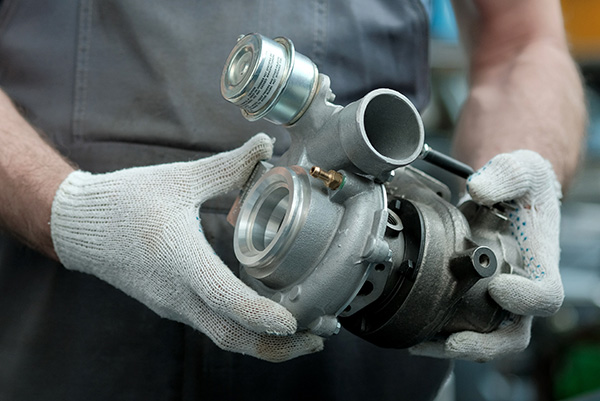
Turbocharged engines ask more from engine oil than many drivers realize. The oil not only protects the pistons, bearings, timing parts, and other moving surfaces inside the engine, but also helps protect the turbocharger, which spins at extremely high speeds and operates in intense heat.
When a turbocharged engine runs low on oil, damage can happen faster than expected. The vehicle may still drive for a while, but the turbo and engine are no longer getting the protection they need. By the time the symptoms feel obvious, the repair may already be more serious.
Why Turbo Engines Need The Right Oil Level
A turbocharger uses exhaust pressure to spin a turbine, which helps force more air into the engine. That extra air helps the engine make more power. To survive that speed and heat, the turbo depends on a steady oil flow.
Oil lubricates the turbo bearings and helps carry heat away. If the oil level is low, the turbo may not receive enough oil pressure or volume. Even a short period of poor lubrication can cause bearing wear, shaft play, overheating, and seal damage. The engine itself is also at risk, as low oil levels affect every moving part that depends on that protective oil film.
Turbocharger Bearing Damage From Low Oil
Turbocharger bearings are designed to withstand high speeds, but they are not designed to run dry. When oil supply drops, friction and heat rise quickly. The turbo shaft can begin to wear, loosen, or move in ways it should not.
Drivers may hear whining, whistling, scraping, or siren-like noises as the turbo starts to fail. The vehicle may also lose boost, feel weaker under acceleration, or produce smoke from the exhaust. Once the turbo bearings are damaged, adding oil may not undo the wear that has already happened.
Oil Starvation Can Damage The Engine Too
Low oil is not only a turbo problem. The engine’s crankshaft bearings, camshafts, timing chain, lifters, pistons, and cylinder walls all need oil protection. When the level drops too far, oil pressure can fall, and metal parts can start wearing against each other.
The first signs may be ticking, tapping, rattling, or a low oil pressure warning on the dashboard. That warning should never be treated like a simple reminder. If oil pressure is low, the engine can suffer internal damage quickly. Pulling over safely and shutting the engine off can help limit damage.
Low Oil Can Cause Turbo Seals To Fail
Turbo seals help keep oil where it belongs. When the oil level, oil pressure, heat, or crankcase pressure are not right, those seals can suffer. A worn or overheated turbo can allow oil to leak into the intake or exhaust side of the system.
That can lead to blue or gray exhaust smoke, burning oil smells, oily residue in intake piping, or oil collecting near the intercooler. Some drivers notice the oil level dropping without seeing any puddles under the car. That can happen because the engine is burning oil rather than leaking it externally.
Signs A Turbocharged Engine Is Running Low On Oil
Low oil symptoms can appear in different ways depending on the level and how long the vehicle has been driven. A few signs deserve quick attention:
- Oil pressure warning light
- Ticking or tapping from the engine
- Turbo whining or whistling
- Blue or gray exhaust smoke
- Burning oil smell
- Weak acceleration or low boost
- Oil level dropping between services
- Check engine light
Any of these symptoms should be checked soon. A proper inspection can help determine whether the vehicle only needs oil service, has a leak, is burning oil, or has already suffered turbo or engine damage.
Why Turbo Engines Lose Oil Without A Puddle
Some drivers expect low oil to leave obvious spots on the driveway. Turbocharged engines can lose oil in ways that do not always show up on the ground. Oil may leak into the intake, burn through the exhaust, seep onto hot parts, or be consumed due to worn piston rings, valve seals, PCV problems, or turbo seal wear.
That is why checking the oil level between services is so important. If the level keeps dropping, the reason needs to be found. Topping it off may protect the engine for the moment, but it does not repair the leak, burning issue, or pressure problem that caused the loss.
Oil Quality Is Just As Important As Oil Level
Turbocharged engines also need the correct oil type. Old, dirty, or incorrect oil can break down faster around turbo heat. Sludge can restrict small oil passages and reduce flow to the turbo. Once that happens, the turbo may run hotter and wear faster.
Regular maintenance helps keep the oil clean and at the right level. It also gives technicians a chance to check for leaks, oil consumption, PCV issues, and early signs of turbo failure. On a turbo engine, delaying oil service can be much more expensive than staying ahead of it.
Get Turbocharged Engine Repair In Covington, WA, With Valley Automotive
If your turbocharged engine is low on oil, burning oil, making turbo noise, smoking, or losing power, Valley Automotive in Covington, WA, can check the oil system, turbocharger, leaks, PCV system, and engine condition.
For turbocharged engine testing and repair before low oil causes more damage, contact us to schedule an appointment.