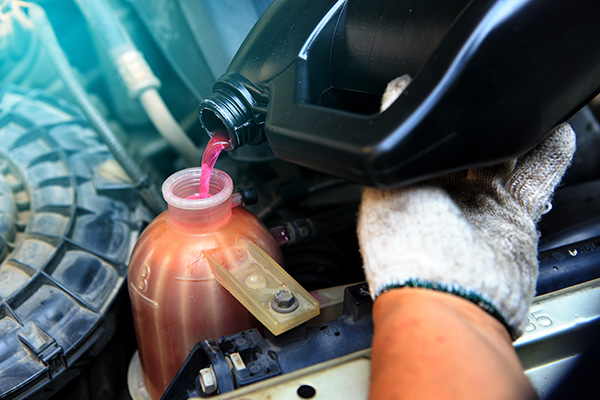
If your coolant reservoir keeps getting low, your car is telling you something. Coolant doesn’t get used up like fuel. In a healthy cooling system, the level stays pretty steady between services. So when the reservoir level keeps dropping, it usually means one of two things: the system is leaking, or the engine is pushing coolant out of the system under certain conditions.
Either way, it’s worth taking seriously because running low on coolant can lead to overheating, poor heater performance, and expensive engine damage if it goes far enough.
What The Reservoir Level Is Actually Showing You
The reservoir is a buffer tank. As the coolant heats up, it expands and moves into the reservoir. As it cools, it contracts and gets pulled back into the radiator or pressurized part of the system. That’s why the reservoir has a cold-fill line and a hot-fill line.
If the reservoir keeps dropping when you check it cold, the system is losing coolant somewhere or not pulling it back correctly. Checking it the same way each time matters. Always check the coolant level when the engine is cold and parked on level ground, so you’re comparing the same conditions.
The Most Common Reason: A Slow Leak You Don’t See
Many coolant leaks are small enough that you never see a puddle. Coolant can drip onto hot parts and evaporate, or it can collect on splash shields and blow away while driving. That’s why people often notice the reservoir is low long before they find the leak.
Common leak points include hose connections, plastic housings, the radiator seams, the water pump area, and the thermostat housing. Even a small seep at a clamp can add up over a few weeks. One clue is dried white or pink residue around fittings or along the edge of a plastic part.
The Reservoir Cap Can Cause Coolant Loss Too
The reservoir cap has to hold pressure, just like a radiator cap. Pressure raises the boiling point of the coolant. If the cap can’t hold the correct pressure, coolant can vent out as vapor or push out under heat and load, even if nothing else is leaking.
A weak cap can create confusing symptoms because you might see a low reservoir, but no obvious leak. You may also notice a coolant smell after driving. Cap issues are easy to overlook, but they’re part of the system, and they matter.
Air Pockets And Poor Coolant Return
Sometimes the system isn’t losing coolant, it’s just moving it unpredictably. If air is trapped in the system, the coolant level in the reservoir can swing, and the heater may blow warm, then cool, then warm again. Air pockets can happen after a coolant service that wasn’t bled properly, or after a leak that let air in.
Another issue is a hose or fitting that isn’t allowing coolant to return from the reservoir properly. If coolant expands into the reservoir but doesn’t get pulled back in as it cools, the reservoir might look low later even though the main system level isn’t right.
This is why simply topping off the reservoir isn’t a solution. The system needs to be checked as a whole, including proper fill and bleed procedures.
When Coolant Loss Can Point To A Bigger Engine Problem
Not every low reservoir means something serious, but there are cases where coolant loss is linked to engine combustion pressure pushing into the cooling system. That can push coolant out, create bubbles, and cause the reservoir to drop over time.
Clues that suggest you should move quickly include repeated overheating, persistent bubbles in the reservoir when the engine is running, unexplained coolant loss with no external leak found, or coolant contamination signs. Another clue is if the heater suddenly stops producing consistent heat, because low coolant can prevent proper flow through the heater core.
The point here is not to jump to the worst-case. It’s to understand why coolant loss should be diagnosed instead of being guessed.
A Practical Plan To Catch The Cause Early
If you notice the reservoir level dropping, start by checking it consistently when the engine is cold. If you’re topping it off more than once, it’s time to schedule an inspection.
From a service standpoint, pressure testing is one of the best ways to find small leaks because it brings the system up to operating pressure without needing a long drive. Dye testing can help when leaks only show up intermittently. We also check cap performance, inspect common leak points, and verify the system is filled and bled correctly so you’re not chasing false symptoms caused by trapped air.
If you’re tempted to keep topping it off and driving, keep in mind that low coolant can turn into an overheating event with little warning. Catching the leak early is usually cheaper than repairing the damage caused by overheating.
Get Cooling System Service in Covington, WA with Valley Automotive
If your coolant reservoir keeps getting low, we can inspect the cooling system, pressure test it, check for leaks, and confirm whether the issue is a simple seep, a cap problem, or something that needs deeper attention. We’ll explain what we find and help you handle it before overheating becomes part of the story.
Book your cooling system service at Valley Automotive in Covington, WA, and we’ll help you keep the engine temperature stable and predictable.