Posted on 9/25/2026
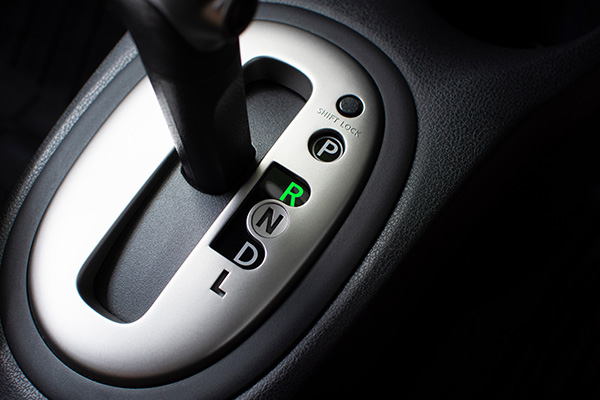
You shift into Reverse, take your foot off the brake, and expect the car to start moving almost immediately. Instead, there is a pause. Sometimes it lasts only a second or two. In other cases, you press the accelerator and the transmission still hesitates before finally engaging with a noticeable bump. Don't ignore delayed reverse engagement, especially if it is getting worse. The cause can be as simple as low transmission fluid, but it can also point to internal wear, hydraulic pressure problems, or a valve body issue. A transmission diagnostic helps rule out these possibilities before replacing parts. Low Transmission Fluid Can Delay Engagement Automatic transmissions rely on fluid pressure to apply internal clutches and engage the selected gear. If the fluid level is too low, the transmission can take longer to build the pressure needed to move the vehicle in Reverse. You may also notice delayed engagement in Drive, slipping during acceleration, or changes i ... read more
Posted on 8/28/2026
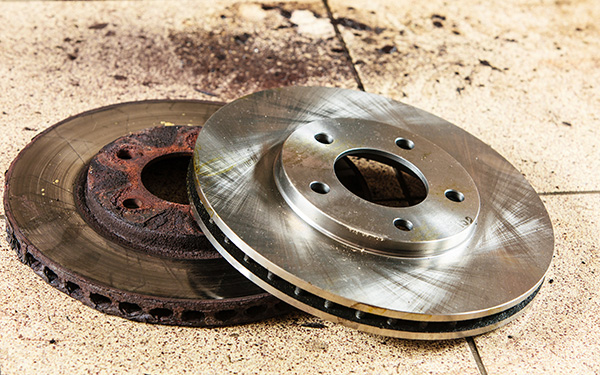
Brake rotor runout describes how much a brake rotor moves from side to side as it rotates. Ideally, the rotor should spin in a nearly perfect plane. If it wobbles even slightly, the brake pads can make uneven contact with the rotor surface, and over time that can lead to pedal pulsation, steering wheel vibration, or uneven rotor wear. Runout is measured in thousandths of an inch or hundredths of a millimeter, so the amount involved is very small. That is why it cannot be judged accurately by sight alone. A rotor may look perfectly straight while still having enough lateral movement to cause problems after several thousand miles of driving. What Causes Brake Rotor Runout? Runout can come from the rotor itself, but the rotor is not always the original source. Rust, dirt, or scale trapped between the rotor and wheel hub can keep the rotor from sitting completely flat. Even a small amount of contamination on the mounting surface can create measurable movement at the out ... read more
Posted on 7/31/2026

A car that feels fine on level roads but starts shaking uphill is reacting to load. Climbing forces the engine and drivetrain to work harder, so weak parts that stay quiet during easy driving can become obvious once more torque is required. That pattern narrows the search, but it does not point to only one cause. Ignition problems, fuel delivery issues, worn engine mounts, damaged axles, transmission concerns, and tire or driveline faults can all produce a shake that appears mainly during uphill acceleration. A Weak Ignition System Can Misfire Under Load Spark plugs and ignition coils have a harder job when the engine is pulling uphill. Cylinder pressure rises as you press the gas, and the spark must be strong enough to ignite the air and fuel mixture under that added pressure. A worn plug or weak coil may work well enough during light cruising but begin to misfire when the engine is under load. The shake may feel like a stumble, buck, or repeated hesitation rather ... read more
Posted on 6/26/2026
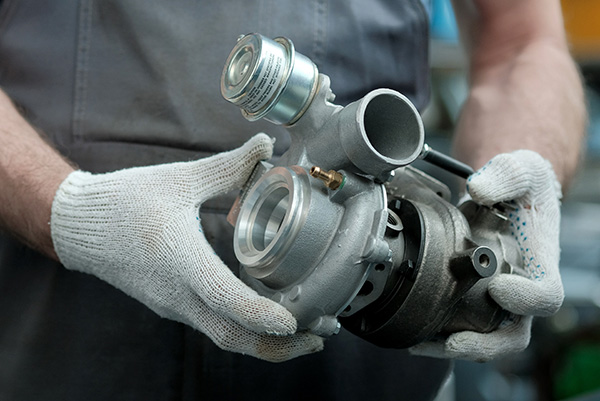
Turbocharged engines ask more from engine oil than many drivers realize. The oil not only protects the pistons, bearings, timing parts, and other moving surfaces inside the engine, but also helps protect the turbocharger, which spins at extremely high speeds and operates in intense heat. When a turbocharged engine runs low on oil, damage can happen faster than expected. The vehicle may still drive for a while, but the turbo and engine are no longer getting the protection they need. By the time the symptoms feel obvious, the repair may already be more serious. Why Turbo Engines Need The Right Oil Level A turbocharger uses exhaust pressure to spin a turbine, which helps force more air into the engine. That extra air helps the engine make more power. To survive that speed and heat, the turbo depends on a steady oil flow. Oil lubricates the tur ... read more
Posted on 5/29/2026
A check engine light does not always mean the engine itself is failing. Sometimes the engine is doing its best with bad information. That bad information can come from a weak battery, corroded wiring, loose grounds, failing sensors, or voltage that keeps dropping below where the computer expects it to be. Electrical problems are sneaky because they can look like fuel, ignition, emissions, or sensor trouble from the driver’s seat. The Light Can Come From Bad Data Modern cars run on information. Sensors report air flow, oxygen levels, engine temperature, throttle position, crankshaft speed, camshaft position, fuel control, and more. The engine computer uses those readings to decide how the vehicle should run. If a sensor sends the wrong signal because of a wiring problem, the computer may think the engine has a mechanical or emissions issue. The check engine light comes on because the data is outside its normal range. The failed part might be a sensor, but it m ... read more