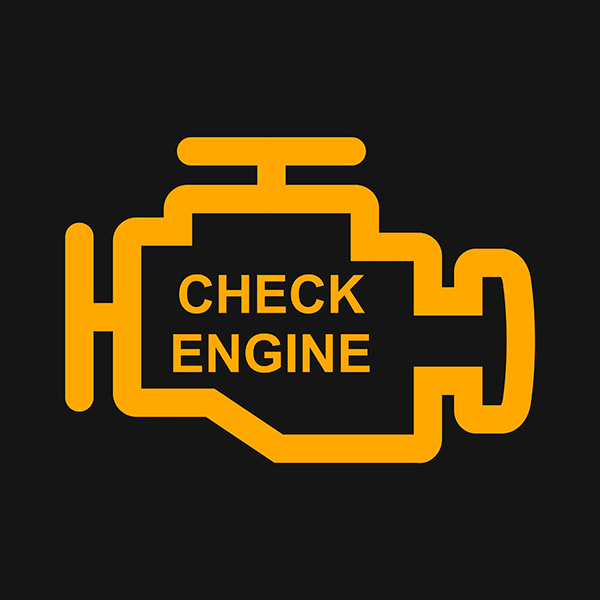
A check engine light does not always mean the engine itself is failing. Sometimes the engine is doing its best with bad information. That bad information can come from a weak battery, corroded wiring, loose grounds, failing sensors, or voltage that keeps dropping below where the computer expects it to be.
Electrical problems are sneaky because they can look like fuel, ignition, emissions, or sensor trouble from the driver’s seat.
The Light Can Come From Bad Data
Modern cars run on information. Sensors report air flow, oxygen levels, engine temperature, throttle position, crankshaft speed, camshaft position, fuel control, and more. The engine computer uses those readings to decide how the vehicle should run.
If a sensor sends the wrong signal because of a wiring problem, the computer may think the engine has a mechanical or emissions issue. The check engine light comes on because the data is outside its normal range. The failed part might be a sensor, but it might also be the connector, wire, ground, or voltage supply feeding that sensor.
Low Battery Voltage Can Confuse The Vehicle
A weak battery can do more than cause slow starts. Low voltage can make control modules act strangely, especially during startup when electrical demand is high. The vehicle may store codes that seem unrelated at first, then drive normally after it starts.
We see this when a car has a battery near the end of its life, dirty terminals, or poor cable connections. The check engine light may appear along with traction control warnings, charging messages, or other lights on the dashboard. Before chasing expensive parts, the battery and charging system need to be tested under load.
Alternator Problems Can Trigger Warning Lights Too
Once the engine is running, the alternator has to keep the electrical system powered and recharge the battery. If the alternator output is weak or unstable, the engine computer may not get the steady voltage it needs. That can create strange symptoms, including check engine codes.
Drivers may notice dim lights, flickering electronics, slow power windows, warning lights that come and go, or a vehicle that needs repeat jump starts. If the voltage drops while driving, sensors and modules can start reporting bad information even when the engine parts are still okay.
Sensor Wiring And Connectors Take A Beating
Wires and connectors live in a rough environment. Heat, vibration, oil leaks, road spray, rodents, and age can all damage electrical connections. A wire does not have to be fully broken to cause trouble. Sometimes, a single loose pin or a rubbed-through section is enough to cause a signal to go in and out.
That is when a problem becomes intermittent. The car runs fine one day, then the light comes on during a wet morning or after hitting a bump. Our technicians look for connector damage, corrosion, broken insulation, and wiring that has been stretched or rubbed against brackets.
Bad Grounds Can Create Strange Symptoms
Ground connections are easy to overlook, but they are a big part of the electrical system. A ground gives current a path back through the vehicle. If that path is weak, rusty, loose, or corroded, the system can behave in confusing ways.
Bad grounds can cause rough running, sensor codes, dim lights, random warning lights, or hard starting. They can also make one system affect another. A ground problem near the engine can make sensor readings unstable, leading to a check engine light even when the sensor itself is not the actual failure.
Electrical Issues Can Feel Like Engine Problems
A car with an electrical issue can feel rough, weak, hesitant, or inconsistent. A bad crankshaft sensor signal can cause stalling or no-start trouble. A throttle position signal problem can affect acceleration. A mass airflow sensor wiring issue can make the engine run rich or lean.
That is why replacing the part named in the code is risky. A code for a sensor circuit does not always mean the sensor is bad. It may mean the circuit has a problem. A careful inspection can separate a failed component from a wiring or voltage issue that is making the component look guilty.
Why Testing Beats Part Swapping
Electrical problems need a patient process. Scan data helps, but it is only the first page of the story. Voltage checks, ground checks, connector checks, wiring wiggle tests, and charging system tests can all be needed before the real cause shows itself.
Regular maintenance helps catch some of this early, especially weak batteries, corroded terminals, fluid leaks near wiring, and damaged belts that affect charging. If the check engine light comes on with odd electrical behavior, mention those details when you bring the car in. The pattern can save time.
Get Check Engine Light Service In Covington, WA, With Valley Automotive
If your check engine light is on and your vehicle has slow starts, flickering lights, random warnings, or inconsistent performance, Valley Automotive in Covington, WA, can test the electrical and engine control systems together.
Bring it in so the cause can be confirmed before a wiring, battery, or charging problem gets mistaken for a more expensive engine repair.