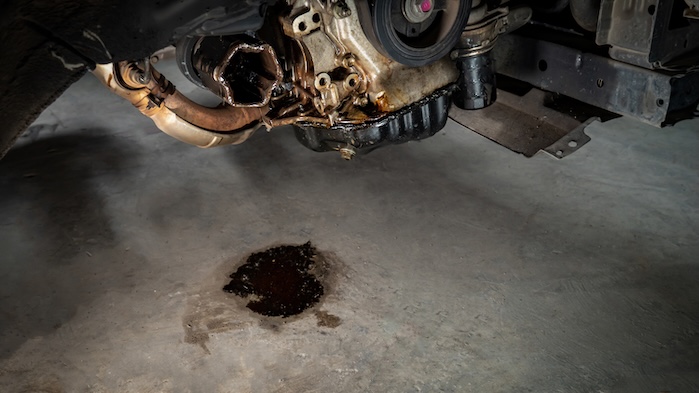
Oil leaks are a concern for any vehicle owner, but they’re especially common, and sometimes more complicated, in diesel vehicles. Diesel engines are built differently from gasoline engines. They operate under higher compression, generate more heat, and often contain more oil to keep internal components properly lubricated. While this makes them durable and long-lasting, it also creates more opportunities for oil leaks to develop over time.
If you’ve noticed oil spots under your diesel truck or SUV, or you’re constantly topping off oil between changes, understanding the most common causes can help you take action before the problem worsens.
Why Oil Leaks Are Common in Diesel Engines
Diesel engines are designed for heavy-duty use, whether that’s towing, hauling, or long-distance driving. Because of this, seals, gaskets, and hoses are under constant stress. As mileage adds up, these components naturally wear out. Even small leaks can quickly turn into larger issues due to the higher oil capacity and pressure within diesel engines.
Ignoring oil leaks isn’t just messy...it can lead to engine damage, increased emissions, reduced fuel efficiency, and even complete engine failure if oil levels drop too low.
- Worn or Failing Gaskets and Seals
One of the most common causes of diesel vehicle oil leaks is worn gaskets and seals. Over time, heat causes rubber and composite materials to harden, crack, or shrink. When this happens, oil can seep through areas that were once tightly sealed.
Common gasket and seal-related leak sources include:
- Valve cover gaskets
- Oil pan gaskets
- Front and rear main seals
These leaks often start slowly and may only show up as damp or oily residue. Left unaddressed, they can worsen quickly, especially in high-mileage diesel engines.
- Crankcase Pressure Issues
Diesel engines naturally produce more crankcase pressure than gasoline engines. This pressure needs to be properly vented through the crankcase ventilation system. When that system becomes clogged or fails, pressure builds up inside the engine and forces oil out through seals and gaskets that would otherwise hold.
Excess crankcase pressure can cause oil leaks even if the seals themselves are still in decent condition. This is why diagnosing the root cause is important rather than simply replacing leaking components.
Many diesel vehicles rely on turbochargers to deliver power and efficiency. Turbochargers are lubricated by engine oil, and they operate at extremely high temperatures. Over time, oil supply lines, return lines, or internal turbo seals can wear out.
When this happens, oil may leak externally or burn internally, sometimes producing blue or gray exhaust smoke. Turbo-related oil leaks should never be ignored, as they can quickly lead to loss of performance and costly repairs.
- Oil Cooler and Oil Filter Housing Leaks
Diesel engines often use oil coolers to regulate oil temperature during heavy use. These components rely on seals and gaskets that can degrade over time. A failing oil cooler seal or cracked housing can allow oil to leak, sometimes mixing with coolant in more severe cases.
Oil filter housings are another common leak point. If the housing gasket fails or the filter is overtightened or installed incorrectly, oil can slowly leak during engine operation.
- High Mileage and Engine Wear
As diesel engines accumulate miles, internal wear becomes unavoidable. Components such as piston rings and bearings wear down, increasing internal pressure and oil consumption. While this doesn’t always cause an immediate external leak, it can accelerate gasket and seal failure throughout the engine.
Older diesel vehicles may develop multiple small leaks rather than one obvious source. This makes professional inspection especially important to identify all problem areas before they worsen.
Signs Of Oil Leaks in Diesel Vehicles
Oil leaks aren’t always obvious at first. Some warning signs include burning oil odor, oil residue on engine components, frequent low-oil warnings, or smoke coming from under the hood. Any of these symptoms warrants a professional inspection, especially in diesel vehicles, where oil-related issues can escalate quickly.
Even a small oil leak can lead to bigger problems if ignored. Oil lubricates critical engine components, and running low increases friction and heat. Over time, this can result in premature engine wear or catastrophic failure. Leaking oil can also damage rubber hoses, belts, and electrical components, increasing repair costs.
Addressing oil leaks early helps protect your engine, maintain performance, and avoid unexpected breakdowns.
Trust a Professional for Diesel Oil Leak Repairs
Diagnosing oil leaks in diesel vehicles often requires specialized knowledge and equipment. The source isn’t always obvious, and replacing the wrong part can waste time and money. A trained technician at our shop can identify the root cause, verify related systems, and ensure repairs are performed correctly.
Schedule a Diesel Oil Leak Inspection and Repair
If you’ve noticed oil leaks or suspect your diesel vehicle may be losing oil near Covington, don’t wait for the problem to get worse. Contact Valley Automotive today to schedule a professional diesel inspection. Our experienced technicians will locate the leak source and help keep your engine running strong for the long haul.