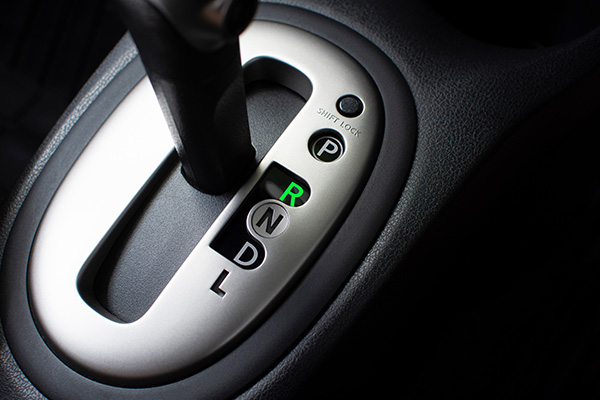
You shift into Reverse, take your foot off the brake, and expect the car to start moving almost immediately. Instead, there is a pause. Sometimes it lasts only a second or two. In other cases, you press the accelerator and the transmission still hesitates before finally engaging with a noticeable bump.
Don't ignore delayed reverse engagement, especially if it is getting worse. The cause can be as simple as low transmission fluid, but it can also point to internal wear, hydraulic pressure problems, or a valve body issue. A transmission diagnostic helps rule out these possibilities before replacing parts.
Low Transmission Fluid Can Delay Engagement
Automatic transmissions rely on fluid pressure to apply internal clutches and engage the selected gear. If the fluid level is too low, the transmission can take longer to build the pressure needed to move the vehicle in Reverse.
You may also notice delayed engagement in Drive, slipping during acceleration, or changes in shift quality. At our shop, one of the first things we check is fluid level and condition when the transmission design allows it. If the level is low, we also look for the leak instead of simply topping it off and sending the vehicle back out.
Old or Contaminated Fluid Can Affect Hydraulic Operation
Transmission fluid does more than lubricate moving parts. It also carries hydraulic pressure through small passages in the valve body and helps the clutches apply correctly.
As fluid ages, heat and friction can reduce its performance. If the fluid is badly degraded, the transmission may respond slowly after you select Reverse, especially when cold. Regular maintenance can help prevent fluid condition from becoming part of the problem, but a fluid service will not repair worn internal components if damage has already developed.
A Worn Reverse Clutch Can Take Longer to Apply
Inside an automatic transmission, clutch packs are applied hydraulically to create different gear combinations. Reverse uses specific internal components, and those parts can wear with mileage.
If a reverse clutch pack has excessive clearance or worn friction material, pressure has to build longer before it fully applies. The vehicle may hesitate and then engage harshly once the clutch finally grabs. That pattern is different from a simple electronic delay, which is why we pay attention to how the transmission feels when engagement finally happens.
Valve Body Problems Can Cause a Delay
The valve body controls where transmission fluid pressure is sent. It contains passages, valves, solenoids, and other components that direct pressure to the correct clutch circuits.
A sticking valve, worn valve bore, weak solenoid, or pressure leak inside the valve body can delay reverse engagement. Sometimes the problem is worse when the transmission is cold and improves after several minutes of driving. Other times, heat makes the issue more noticeable. Scan data and hydraulic testing can help us see whether the transmission is receiving the correct command and pressure.
Internal Seal Wear Can Let Pressure Leak Away
Transmission pistons and clutch circuits depend on internal seals to hold hydraulic pressure. As those seals age, they can harden or wear enough to allow fluid to leak past them internally.
When that happens, the transmission pump has to work longer to fill the circuit and create enough pressure to engage Reverse. You cannot see this type of leak underneath the vehicle because the fluid stays inside the transmission. Delayed engagement that gradually worsens over time can point to this kind of internal wear.
Cold Starts Can Make the Problem More Obvious
Some transmissions show their worst symptoms first thing in the morning. Thick cold fluid, worn seals, and slow pressure buildup can combine to create a longer pause before Reverse engages.
Pay attention to whether the delay happens only after the vehicle has sat overnight or continues once the transmission is fully warm. That detail is useful during a diagnostic. We may compare cold and hot operation, check fluid pressure, and review transmission data to see how quickly the commanded gear actually applies.
A Hard Bang Into Reverse Is an Important Clue
A delay followed by a strong thump or bang deserves attention. It can mean the transmission is not applying Reverse gradually. Instead, pressure builds until the clutch finally engages all at once.
That sudden engagement places extra stress on internal transmission parts, engine mounts, and driveline components. If the vehicle is already hesitating, pressing the accelerator harder to force it into Reverse is not a good habit. It can make the engagement much harsher when the transmission finally engages.
Do Not Assume the Transmission Needs Replacement
A reverse delay does not automatically mean the entire transmission is worn out. Low fluid, a leaking seal, a solenoid issue, valve body wear, or an electronic control problem can all create similar symptoms.
A proper inspection and transmission diagnostic should come before any major repair recommendation. We look at fluid condition, stored fault codes, live data, engagement timing, leaks, and how the transmission behaves both cold and warm. From there, the diagnosis can point toward service, an external repair, valve body work, or internal transmission repair if necessary.
Get Transmission Service In Covington, WA, With Valley Automotive
If your vehicle hesitates for several seconds after you shift into Reverse, Valley Automotive in Covington, WA, can perform a transmission diagnostic and determine whether the problem involves fluid level, hydraulic pressure, valve body operation, or internal wear.
Schedule a transmission diagnostic before a small delay turns into harsh engagement, slipping, or a more expensive repair.