Posted on 9/25/2026
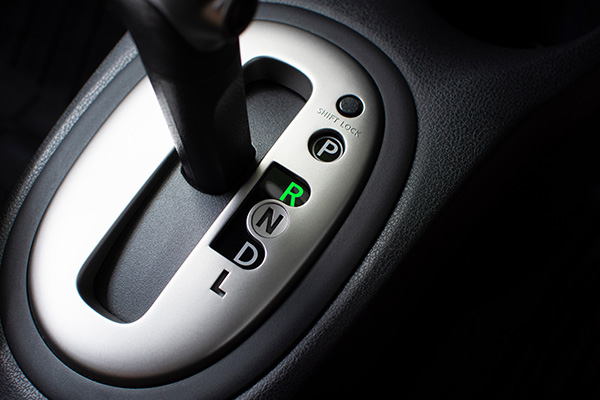
You shift into Reverse, take your foot off the brake, and expect the car to start moving almost immediately. Instead, there is a pause. Sometimes it lasts only a second or two. In other cases, you press the accelerator and the transmission still hesitates before finally engaging with a noticeable bump. Don't ignore delayed reverse engagement, especially if it is getting worse. The cause can be as simple as low transmission fluid, but it can also point to internal wear, hydraulic pressure problems, or a valve body issue. A transmission diagnostic helps rule out these possibilities before replacing parts. Low Transmission Fluid Can Delay Engagement Automatic transmissions rely on fluid pressure to apply internal clutches and engage the selected gear. If the fluid level is too low, the transmission can take longer to build the pressure needed to move the vehicle in Reverse. You may also notice delayed engagement in Drive, slipping during acceleration, or changes i ... read more