The car needs a jump on a cold morning, so you assume the battery has reached the end of its life. A new battery seems like an obvious fix. But what if the battery is low because the car has not been charging it properly?
Battery and alternator problems can produce overlapping symptoms, including slow cranking, warning messages, and electrical equipment that behaves strangely. Cold weather makes the overlap easier to notice because starting demand rises while a conventional battery's available power falls. The useful question is why the battery lacks the energy the vehicle needs.
The Alternator and Battery Have Different Jobs
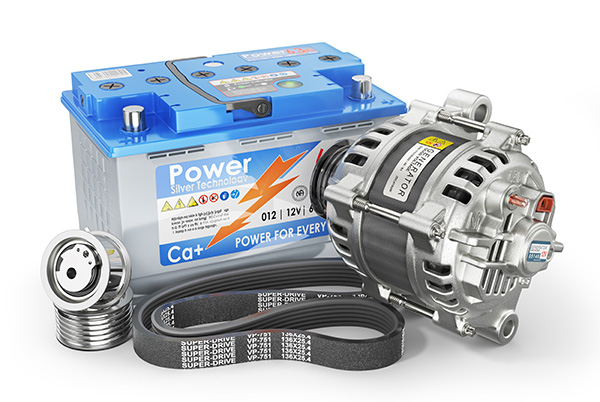
The battery supplies stored energy for starting and other electrical needs. Once the engine runs, the alternator supports the vehicle's electrical loads and replenishes the battery according to the charging system's design. Neither component can be judged completely without considering the other.
A worn battery may struggle to hold useful capacity even when charging works correctly. An underperforming alternator or charging circuit can leave a capable battery below full charge. You can also have both problems at once. Testing should confirm the battery's condition and how the car supplies it with energy during operation.
Cold Weather Makes Weak Charging Easier to Notice
Covington's colder mornings can bring more use of lights, rear defrosters, heated seats, and the blower. These accessories increase electrical demand while the vehicle is running. A charging concern that went unnoticed during lighter use can become more apparent when those loads operate together.
Meanwhile, the next cold start asks more of the battery. If the previous drives left it undercharged, slow cranking can appear to be a simple age-related battery failure. The timing explains why the complaint becomes visible in winter, but it does not establish which component needs repair. Measurements under appropriate conditions help make that distinction.
A Jump-Start Does Not Prove the Battery Has Failed
Additional power can get a low battery through a start. That tells you the extra help changed the electrical conditions; it does not tell you why the battery was low. Charging faults, short trips, unwanted electrical use while parked, and battery deterioration can all fit the same experience.
Notice what happens after the jump. Does the vehicle run normally but struggle again after parking? Do warning lights or accessory problems continue while driving? The battery may need proper charging before you can test its condition accurately. Installing a replacement without checking the charging system can leave a new battery facing the same cycle.
Alternator Symptoms Can Continue With the Engine Running
A charging warning during operation, lights that change unexpectedly, or several electrical faults appearing together can suggest a supply problem. An alternator fault is one possibility, but wiring, connections, belt drive components, and the charging controls also need consideration.
The battery symbol on the dashboard commonly relates to charging-system operation rather than simply announcing that a new battery is due. Its exact meaning comes from the vehicle's manual. If the car loses electrical functions or begins running poorly with a charging warning, stop safely and arrange help. The remaining battery energy may not support continued driving for long.
Modern Alternator Voltage Can Vary Normally
Some vehicles adjust alternator output according to battery condition, electrical demand, temperature, and operating strategy. A voltage reading that changes during a drive can therefore be normal. One generic target number is not a complete test for every charging system.
The technician should compare measured behavior with the vehicle's specifications and control commands. Testing may include output under load, charging-circuit voltage loss, and the condition of related hardware. This helps distinguish a working alternator following its instructions from an alternator or circuit that cannot supply the requested power.
Battery Cables and Belt Drive Problems Can Mimic Alternator Failure
An alternator can produce power, but a poor connection can prevent it from reaching the battery effectively. Corrosion, a damaged cable, or a weak ground creates resistance. Testing voltage drop across the circuit under load can reveal a fault that isn't obvious from the outside.
A slipping belt or a problem with its tensioning or pulley equipment can also affect alternator operation. The arrangement varies by engine. Inspecting the drive system and electrical path before replacement helps avoid installing an alternator that does not correct the complaint. The final recommendation should follow the failed part of the system.
Describe These Battery and Alternator Patterns
Bring observations that explain when the vehicle struggles. These five details give the inspection a useful direction.
- Whether starting trouble follows an overnight stop or appears after a short stop too.
- Whether the charging warning appears while the engine is running.
- Whether electrical accessories change when the complaint occurs.
- Whether recent short trips or extended parking preceded the weak start.
- Whether a battery replacement or jump-start only helped temporarily.
If you have records for a recent battery installation, bring them. Battery type, installation procedures, and any required registration can influence how some charging systems operate. A recent replacement is useful history, not proof that the battery and charging arrangement are now working correctly.
The Battery May Need Attention After a Charging Repair
Repeated low charge can reduce a starting battery's performance over time. Once a charging fault is corrected, the battery still needs an appropriate assessment. It may recover with proper charging, or testing may show that it also needs replacement.
Verification should check the repaired system under the conditions that produced the complaint. For an intermittent concern, a single successful start may not settle the question. Keep track of later behavior and share any returning warnings. Checking both energy supply and storage gives the repair a clearer foundation than choosing one component from the symptoms alone.
Get Battery and Alternator Checks in Covington, WA
Valley Automotive in Covington, WA, can inspect cold-weather starting trouble and overlapping battery and charging concerns. Tell us when the symptoms occur so we can review the relevant systems and explain the results.
Contact us to schedule a battery and charging-system inspection.